
What Are Roof Fire Ratings?
Roof fire ratings tell you how well a roofing material can resist the spread of fire. These ratings are determined through standardized laboratory tests, not estimates or guesses, and they help households in Clay, NY assess the relative risk a roof presents in case of a fire. The three standard classes—Class A, B, and C—reflect increasing levels of fire resistance, with Class A offering the highest protection.
Why Do Roof Fire Ratings Matter for Clay, NY Households?
Roof fires may not be at the top of every homeowner’s mind in Clay, but local weather patterns and housing density can make fire resistance more significant than many realize. Winters bring ice dams and roof stress, while summers occasionally see grill or chimney mishaps. A roof’s fire resistance affects how quickly fire might spread—either containing damage to a small area or allowing flames to advance to the rest of the structure or even neighboring homes.
Additionally, insurance companies sometimes ask about roof ratings when determining coverage or premium costs. In some cases, newly constructed homes in the area or those remodeling after storm damage may also have to meet specific building codes referencing these ratings.
What Do Class A, B, and C Mean in Plain Terms?
- Class A: Withstands severe fire exposure, such as burning embers or direct flames, for the longest period. Typical materials: asphalt fiberglass shingles, clay or concrete tiles, metal panels, and some treated wood shingles.
- Class B: Provides moderate fire resistance. These materials can survive in moderate fire situations but are less effective against constant flames or heavy ember showers. Treated wood shingles are most often found in this category.
- Class C: Only resists light exposure to fire—enough for small, quickly controlled incidents. Untreated wood, some types of shingles, and low-density fiberboard often fall here.
Most newer homes around the city are required to use Class A-rated roofing, especially in denser developments or neighborhoods close to wooded areas.
How Are Roof Fire Ratings Determined?
Underwriter Laboratories (UL) and other testing bodies expose roofing assemblies to burning materials to see how long they resist ignition and whether flames spread. The main aspects measured include:
- How far flames travel on the roofing surface
- Whether burning debris falls through to the attic or structure below
- If any parts fall off and could ignite other objects nearby
No rating guarantees a roof is fireproof; instead, it’s about how much time a home’s residents and emergency services have to react and how likely a fire is to spread to adjacent homes or vegetation.
Are Some Roofing Materials Naturally More Fire-Resistant?
Yes, material composition matters greatly. The most fire-resistant roofs in this region include:
- Clay and concrete tiles—popular in other climates but sometimes found on area homes for their durability and resistance.
- Asphalt fiberglass shingles—by far the most common Class A material, available in the majority of local new builds and roof replacements.
- Metal panels—excellent at resisting ignition from embers, though installation method affects performance.
- Slate tiles—rare in Clay due to cost, but naturally Class A and durable against a variety of hazards.
Some wood shakes or shingles can also achieve a Class A rating if factory-treated with fire-retardant chemicals, but regular untreated wood only meets Class C at best.
Do Roof Fire Ratings Change with Age or Weather?
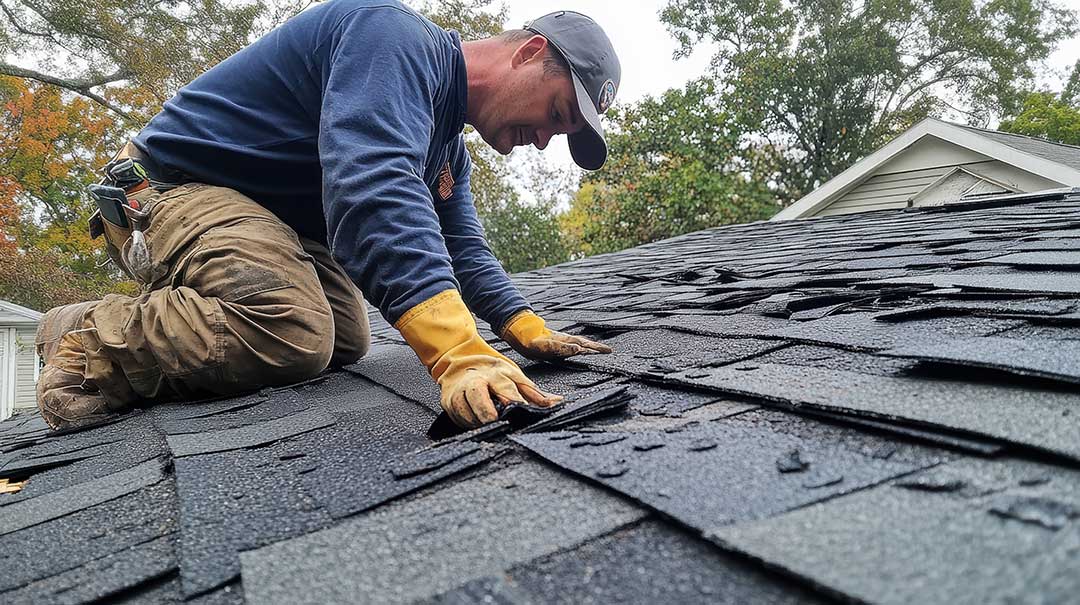
Time and climate exposure can reduce the effectiveness of a roof’s original fire rating. Long, icy winters and repeated freeze-thaw cycles in Clay can cause cracks, granule loss, or loosened tiles, all of which make it easier for embers to penetrate. Strong wind events in spring and fall may lift shingles or blow debris onto roofs, further reducing a system’s fire resistance.
Checking for worn shingles, missing tiles, or accumulated debris—especially after storms or snowmelt—is a practical way to maintain your roof’s safety. Periodic inspections, even just from the ground or using binoculars, help spot changes early.
Do Local Building Codes Affect Which Fire Ratings Are Required?
Local building codes often require new roofs or major repairs to meet a certain fire-resistant standard. In most neighborhoods, Class A is the norm for new homes and additions. However, some older homes may have roofing systems that were installed before modern codes were adopted. When repairing or replacing sections of a roof, matching or exceeding current fire ratings is recommended to avoid complications with city building inspections and to improve household safety.
Are There Any Common Misconceptions about Roof Fire Ratings?
Many people assume that all shingles or tiles provide the same protection, but the differences can be dramatic. Another frequent misconception is that a roof with a high fire rating won’t need any maintenance to stay safe. In reality, all roofing types require periodic upkeep to maintain their original fire rating, especially after severe weather.
It’s also a myth that fire-resistant roofs make fire precautions unnecessary. Safe grilling habits, proper chimney care, and maintaining clear gutters are still important steps for any homeowner.
What Can Residents Do to Improve Fire Resistance Beyond the Roof Material?
Roof fire ratings are just one part of a home’s overall fire protection. Local households can enhance safety by:
- Keeping gutters clear of leaves and pine needles, especially in autumn
- Trimming tree limbs and shrubs back from the home, so airborne embers have less to ignite
- Ensuring attic vents are screened to block embers without restricting airflow
- Promptly repairing any damaged or missing shingles to maintain the protective barrier
Seasonal yard cleanups, routine home checks, and awareness of fire risks contribute as much to a home’s safety as the roofing rating selected.
