

How Can Residents Safely Manage Roof Repairs During a Crisis?
During a public health crisis like COVID-19, or in the midst of other emergencies, managing roof repairs in Clay, NY requires special care. Health guidelines, supply chain issues, and worker shortages can complicate what is already a stressful home repair. It’s still possible to address problems, but safety and planning must come first.
Clay’s climate — with its mix of wet springs, snowy winters, and occasional windstorms — makes proactive roof maintenance and timely repairs particularly relevant. Understanding how to adapt repair efforts to crisis conditions can help protect both homes and the wellbeing of those involved.
What Immediate Steps Should You Take If Your Roof Is Damaged?
If your roof suffers sudden damage during a crisis (such as from a storm or falling branch), begin by ensuring personal safety. Only assess the situation from the ground or a safe vantage point.
- Do not attempt to climb onto the roof during hazardous conditions or when sick.
- If water is entering the home, move valuables and furniture away from the leak.
- Use buckets or tarps indoors to limit further damage until a repair can occur.
- Document visible damage with photos for insurance purposes.
- If safe, use a telescoping pole or binoculars to inspect for missing shingles or visible gaps.
While it can be tempting to perform emergency repairs yourself, don’t take unnecessary risks. If you notice signs of severe structural problems (sagging, extensive water entry, electrical hazards), evacuate that area and prioritize safety over quick fixes.
Are Roofing Materials Readily Available During Crises?
During events like COVID-19 lockdowns, hurricanes, or supply chain disruptions, roofing materials may be difficult to source quickly in or near Clay. Hardware stores can experience shortages, affecting both cost and timing.
Residents can prepare in advance by:
- Keeping basic repair items like tarps, heavy-duty tape, and patching materials at home.
- Reading local news for updates on supply issues and modified store hours.
It’s common for supply constraints to slow down larger repairs and insurance claims. However, small, temporary fixes are often possible with what is on hand. Flexibility around material types and colors may also be necessary until full repairs can resume.
How Do Health and Safety Protocols Affect Roofing Work?
Pandemics or other public health emergencies prompt new protocols for any home repair:
- If outside help is necessary, expect workers to use masks, sanitize tools, and maintain distance from household members.
- Try to communicate needs by phone or online rather than in person.
- Clear the working area outdoors and avoid unnecessary contact with tools, materials, or debris.
- Be prepared for staggered work schedules or longer project timelines due to sickness or staffing shortages.
Residents can reduce risk further by staying indoors or in a different part of the house while any work is being performed.
What Roofing Issues Can Homeowners Safely Address Themselves?
Many minor maintenance tasks can be safely handled by homeowners, especially during times when professional help is delayed or hard to access. In Clay, common issues after severe weather include dislodged shingles, small leaks, and clogged gutters.
Residents may be able to:
- Clean gutters from a stable ladder, wearing gloves and eye protection.
- Use exterior caulk or roof sealant for very small cracks around vents.
- Place an exterior tarp over minor damage using roof-safe anchors (if ground-level access allows).
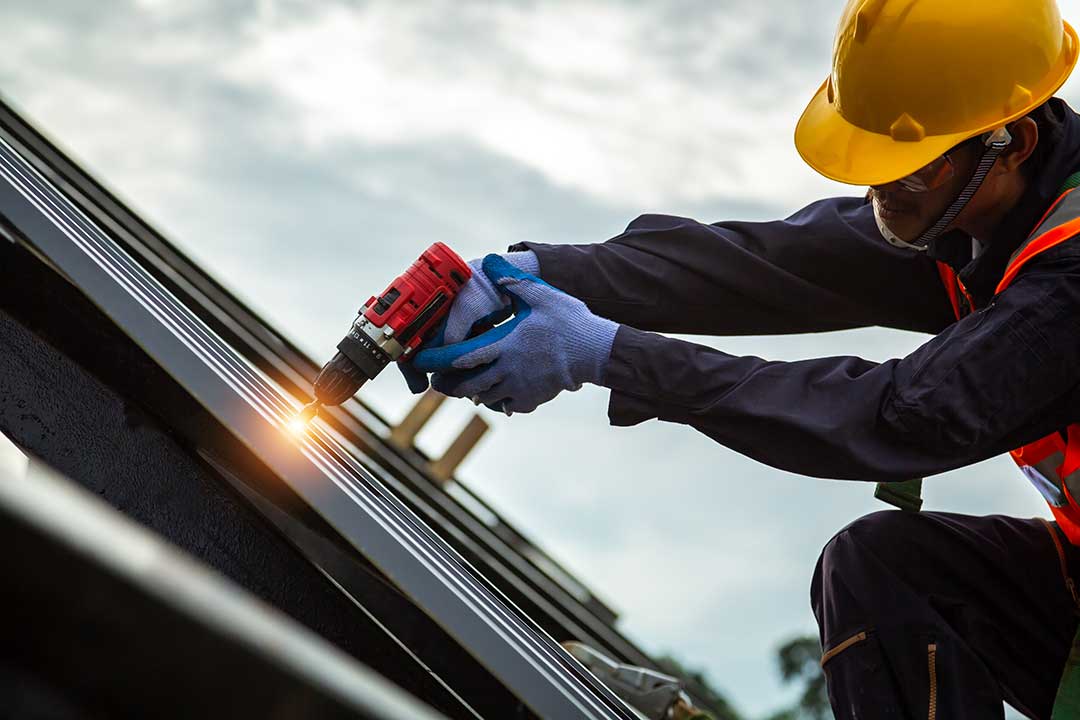
Do not attempt:
- Repairs involving electrical wiring, rotten decking, or steep slopes.
- Full shingle replacement if unfamiliar with roof work.
Mistakes or attempts at large repairs can lead to accidents or additional damage. If a repair seems risky or unclear, it is safer to wait for conditions to improve.
Should You Delay Repairs or Prioritize Immediate Fixes?
Not all roof problems require urgent intervention. During a crisis, it’s wise to weigh risks and benefits. Issues that threaten structural safety, lead to active leaks, or create mold risk should be stabilized as quickly as possible, at least temporarily.
Minor issues such as granule loss from shingles, small cracks, or cosmetic imperfections can usually wait until resources and normal routines return. Residents unsure about the severity of a problem can consult local building resources or public agency guidance for further clarification.
What Local Regulations or Programs Might Affect Repairs in Clay, NY?
Clay and the greater Onondaga County region may adjust building permit processes during emergencies. In-person permit offices may switch to digital forms, extend deadlines, or restrict which repairs require prior approval. Research current emergency orders from city or county websites before starting major projects, as enforcement or inspection schedules may also be changed.
If an event leads to a declared disaster, state or federal aid programs may become available for necessary home repairs, including roofing. Official websites and local news sources are recommended for accurate, up-to-date information on such programs. Watch for public announcements on repair priorities during recovery phases.
How Can Residents Minimize Future Roofing Emergencies?
Preparing for the unexpected is especially valuable in places like Clay with distinct seasons and intense weather. Year-round upkeep can prevent roof emergencies from becoming crises later:
- Clear gutters each spring and fall.
- Trim tree limbs that overhang the roof and could break during storms.
- Check attics for signs of leaks or mold after heavy rain or snow.
- Store basic patching supplies in a dry, easily accessible indoor space.
Proactive home care is a practical investment, helping local households better weather both community-wide emergencies and more typical seasonal surprises.
