
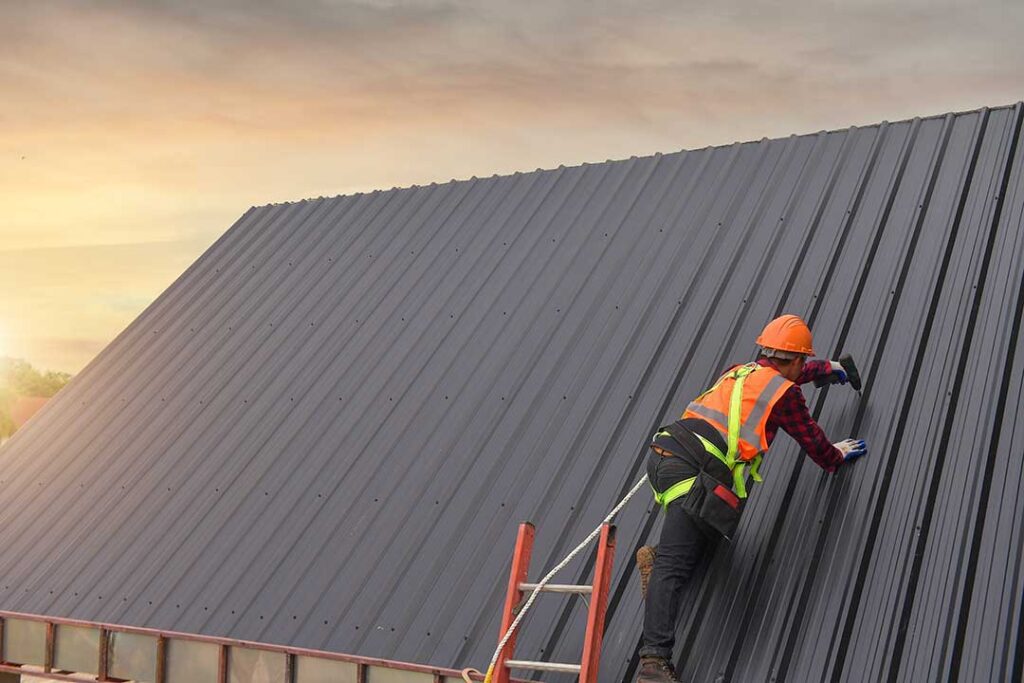
How Does the Climate in Clay, NY Affect Roof Lifespan?
Local weather conditions directly impact how different roofs age. With cold winters, freeze-thaw cycles, and occasional bouts of wind and rain, roofs in Clay face unique aging challenges. Intense UV exposure during summer months also adds to the natural wear and tear. Area residents often ask how to tell if their roof is simply showing normal signs of age or if it’s time to consider maintenance.
What Are Typical Signs of Aging in Asphalt Shingle Roofs?
Asphalt shingles are the most frequently used roofing material in the city for their affordability and straightforward maintenance. You can spot an aging asphalt shingle roof by:
- Granule loss: Find piles of dark granules in your gutters or at the base of downspouts. These granules protect shingles from sunlight, and their loss means increased sun damage.
- Curling and cupping: Shingle edges may start to lift or curl, often due to moisture intrusion or extreme temperature variation.
- Widespread cracking: Small fissures can turn into splits, especially after several freeze-thaw cycles.
- Fading: Shingles may lose their original color, appearing patchy or uneven.
- Moss and algae: Although common in shaded neighborhoods, these growths trap moisture against the shingles, hastening aging.
Residents sometimes assume that moss alone is a harmless aesthetic problem, but it can indicate deeper moisture issues or damaged shingles.
How Does Metal Roofing Show Its Age?
Metal roofs are popular in many parts of the area because of their durability and snow-shedding abilities. However, even metals wear down eventually.
- Discoloration or chalking: Faded coatings or a whitish film signal aging, especially on older painted or galvanized panels.
- Rust formation: Corrosion, most often seen at fasteners, seams, and cut edges, is often caused by weather exposure.
- Loose or missing fasteners: Expansion and contraction due to temperature swings in the city can loosen screws, resulting in wobbly panels that may leak.
- Oil canning: Noticeable waviness in the flat areas of metal panels is mostly cosmetic but can signal improper installation or material fatigue.
A common misconception is that metal roofs are “lifetime roofs” requiring no attention. While they last longer than shingles, periodic checks can catch small issues before they become larger problems.
What Should You Watch for in Wood Shake or Wood Shingle Roofs?
Some properties in Clay feature wood roofing, valued for its natural appearance. These roofs develop unique aging characteristics:
- Warping and splitting: Exposure to repeated wetting and drying can cause shakes to cup, curl, or split.
- Moss, lichen, and mold growth: Persistent dampness, especially in shaded or tree-covered yards, speeds up the deterioration process.
- Soft spots or rotting: Press down gently—wood that feels “spongy” or soft is often decaying underneath.
- Surface erosion: Weathered shakes may thin out as natural oils dry and material is worn away.
Many homeowners believe that all moss must be removed, but too-aggressive cleaning methods can strip away the roof's protective surface.
How Can You Spot an Aging Slate Roof?
Slate is a high-end material sometimes found on older homes or historic properties around Clay. Its longevity is legendary, but individual slates (and underlayment) do deteriorate over time.
- Broken, sliding, or missing slates: Individual tiles that slip out of place or break can expose underlying materials to weather.
- Soft, powdery slate: “Sugaring,” where the surface becomes crumbly or powdery, signals advanced aging.
- Rusty fasteners or flashings: Metal supports and joints can corrode, causing loose tiles or leaks.
- Uneven or sagging areas: Sagging can be a structural concern or indicate underlayment failure.
A less-common but overlooked risk is that older slate roofs may look intact from the ground even as the underlying decking weakens due to decades of moisture.
Why Do Flat and Low-Slope Roofs Age Differently?
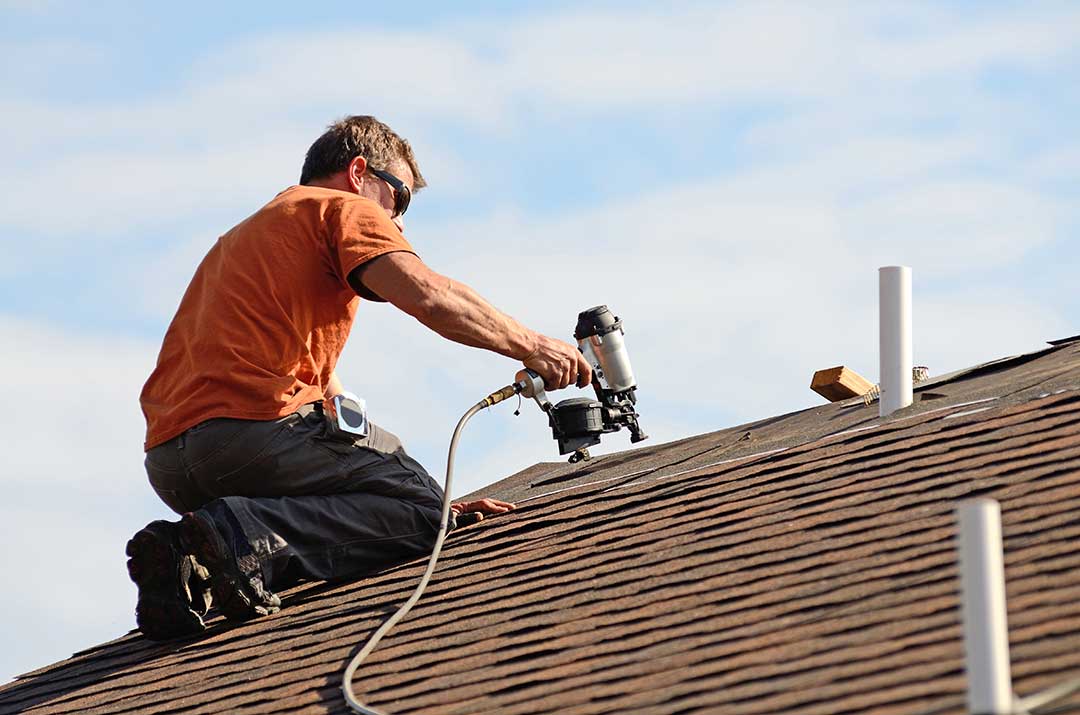
Flat roofs are more prevalent in commercial properties, but some local homes feature them too. Their lack of slope means water and ice linger longer, increasing wear.
- Bubbling or blistering: Moisture trapped in membrane layers causes bubbles or soft raised areas.
- Surface cracks: Especially after harsh winters, look for fissures where material has stretched or contracted.
- Ponding water: Standing water that takes more than two days to evaporate can signal drainage issues or membrane fatigue.
- Visible seams: Opened-up or separated seam lines are potential leak points.
A frequent misconception is that roofing tar or patchwork is always a temporary fix; in fact, well-done patches can extend a flat roof’s life significantly if the underlying material remains sound.
When Are Aging Signs a Cause for Immediate Concern?
Not every sign of aging signals imminent failure. However, certain conditions call for prompt attention:
- Multiple leaks or new water stains on your ceiling, especially after a recent storm or melt event
- Sagging roof lines or visible structural dips
- Large sections of missing, broken, or warped material
- Repeated shingle granule accumulation after every rainfall
For these situations, especially those affecting roof stability or involving mold, it's safest for homeowners to prioritize safety and comply with state and local codes. Some roof repairs, particularly with asbestos shingles (still present on older homes in the community), require professional handling for legal and health reasons.
What Regular Checks Help Catch Aging Early?
Many signs of aging become visible in spring, right after freeze-thaw cycles. Residents often do a quick check from the ground using binoculars or while cleaning gutters.
- Inspect after storms or heavy snow melt for new damage
- Look for gutters filled with granules or debris after rain
- Watch for dark streaks or patches that weren’t there before
- Keep an eye on indoor ceilings for subtle water stains
Document any changes with photos and notes. Small issues left unaddressed through multiple seasons in Clay’s climate can become larger, more expensive repairs down the line.
