

Can the Condition of Your Roof Impact Indoor Allergen Levels?
Yes, the overall condition of a roof can play a significant role in the presence of allergens inside a home. In places like Clay, NY, where seasonal changes bring fluctuating moisture, pollen, and outdoor debris, roofs act as an essential barrier. When roofs age or suffer damage, they can allow water, mold spores, dust, pollen, and even pests to enter. Installing a new roof helps create a tighter, more resilient seal, which can limit how many allergens make their way indoors.
How Do Roof Leaks and Poor Ventilation Contribute to Allergies?
Roof leaks and poor ventilation often go hand in hand with mold and mildew—two common culprits behind indoor allergies in the region. Even a minor leak can allow rainwater or melting snow to seep into the attic or walls, especially during Clay’s wet spring and snowy winters.
- Leaky roofs trap moisture, encouraging mold growth in insulation, wood, and drywall. Mold spores can then circulate throughout the home via air ducts.
- Inadequate attic ventilation means moisture from daily activities (like cooking or showering) can’t escape, compounding the risk of mold and dust mites.
- Rodents and insects, drawn in by existing gaps or damage, often bring additional allergens, such as droppings and skin particles.
Replacing an old or poorly maintained roof often addresses not only surface leaks, but also improves attic airflow by updating vents and ensuring proper sealing around edges and penetrations.
What Kinds of Allergens Can Be Reduced With a New Roof?
Installing new roofing materials and ensuring proper installation can significantly cut down on several major indoor allergens:
- Mold and mildew: New roofs, coupled with modern underlayment and vapor barriers, make it much harder for moisture to linger, depriving mold of the damp environments it needs to grow.
- Pollen and dust: Tight seals and fresh flashing keep outdoor particles from seeping into attics and upper walls.
- Animal allergens: Squirrels, birds, and insects are less likely to nest or enter through sound, well-installed roofing, reducing exposure to fur, feathers, and waste.
- Dust mites: By reducing indoor humidity with better roof and attic systems, conditions become less favorable for dust mites, a pervasive allergen in Northeast homes.
Are Certain Roofing Materials Better for Allergy Reduction?
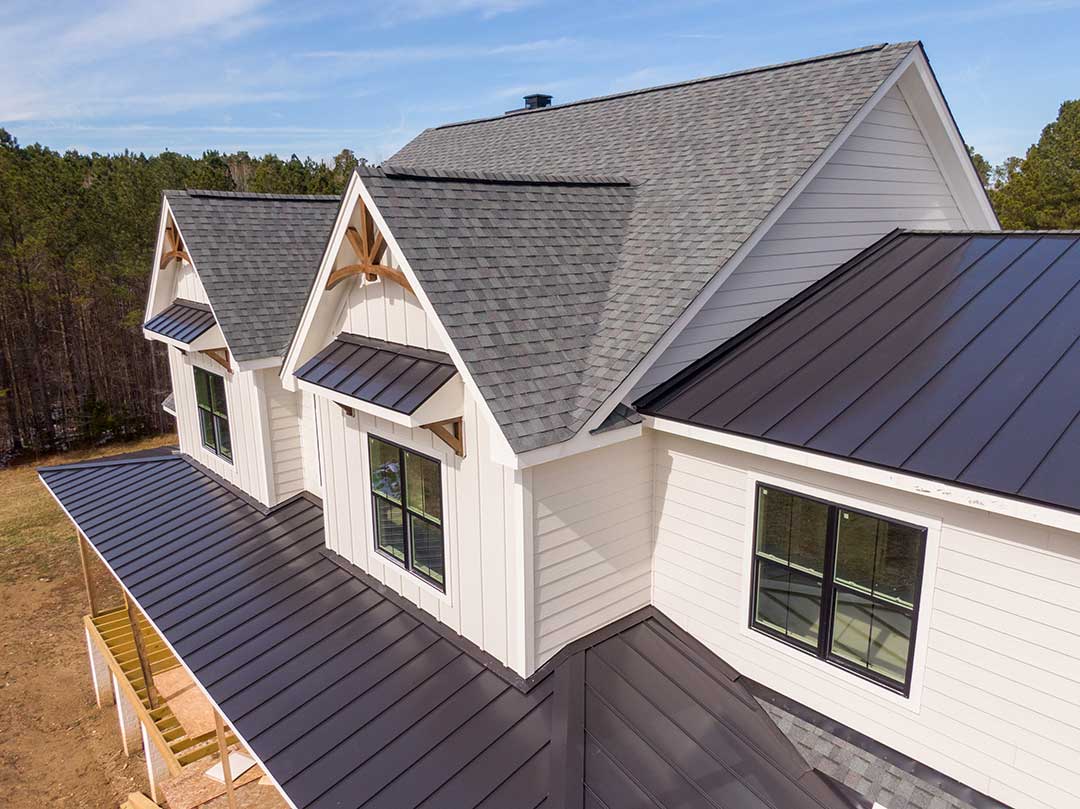
Some roofing materials are naturally more resistant to moisture and biological growth. In Clay, many residents choose asphalt shingles or metal roofing, both of which are effective when properly installed:
- Asphalt shingles: Easy to install with tight seams, these are less likely to allow pollen or particulates through when fresh.
- Metal roofing: Highly resistant to moisture, mold, and animal intrusion. Its smooth surface sheds debris and water efficiently.
- Underlayment choices: Modern synthetic underlayments are much less prone to mold than older felt varieties.
It’s also important that installers use best practices in flashing, attic ventilation, ice dam barriers, and ridge caps to ensure a thorough seal.
Does Replacing the Roof Eliminate Indoor Allergens Completely?
No, a new roof can significantly reduce the entry of outdoor allergens and help manage indoor conditions that foster mold, but it won’t completely eliminate allergens. Other common sources, such as carpets, HVAC filters, pets, and windows, still need attention. However, in homes where roof leaks or attic dampness have been persistent, a new roof brings a noticeable improvement—especially for those sensitive to mold and pollen.
Maintaining or replacing older insulation during a roof installation also provides a chance to remove material contaminated by previous water damage or mold.
How Does Clay’s Climate Influence the Need for a Sound Roof?
Local weather patterns matter. Clay experiences cold snowy winters and humid summers, both of which challenge roofing systems:
- Snow buildup and ice dams in winter can force water under aging shingles, feeding interior mold.
- Spring rains highlight weak spots and can cause rapid mold growth if leaks exist.
- Summer humidity makes homes with air leaks more prone to moisture retention and dust mite proliferation.
Area households sometimes overlook the attic as a source of allergens, but in regions with wide temperature and humidity swings, tight roofing and proper ventilation make a measurable difference.
What Should Residents Look for During and After a Roof Replacement?
Homeowners can take a few steps to maximize the allergen-reducing benefits of a new roof:
- Check that old, moldy insulation is removed and replaced during installation.
- Ask for verification that all attic vents, soffits, and edges are sealed and free of debris.
- Look for water-resistant underlayment, especially along roof edges and valleys.
- Ensure indoor fans and bathroom vents exhaust outside and not into the attic.
After installation, monitor for signs of condensation or musty smells, especially after storms. Regular attic checks help ensure ongoing protection against moisture and allergies.
Are There Misconceptions Around Roofing and Indoor Allergens?
Many homeowners assume indoor allergies are caused only by visible mold, pets, or dust in living areas. In reality, the building envelope—especially the roof and attic—often plays a much larger role, particularly in older homes typical of the area. Overlooking the roof as a source means ongoing issues even with diligent cleaning and air filtration inside.
Similarly, some believe that only major leaks matter. In fact, even small, seasonal leaks, or insufficient attic airflow, can cause ongoing mold problems. Addressing just the visible symptoms inside doesn’t solve the root issue if the roof is compromised.
Improving the roof is an effective, often overlooked part of making a home healthier for allergy-prone families in the city.
