

How Does Your Roof Affect Homeowner’s Insurance Coverage?
The condition, age, and type of roof on your home can significantly impact both the cost and availability of homeowner’s insurance coverage. Insurers use roof information to assess the potential risk of weather-related claims, especially in areas like Clay, NY where snow, ice, and wind are part of life for several months each year.
In practice, insurance companies may offer lower premiums for homes with newer roofs or those made from durable, storm-resistant materials. Old or deteriorating roofs are often considered high risk, which could mean higher rates or more limited coverage.
What Will Insurance Pay For Roof Damage?
Homeowner’s insurance generally covers roof damage when it results from a sudden, unavoidable event, such as a severe windstorm, hail, or a falling tree. However, wear and tear over time or neglect are typically not covered.
For area residents, key claim scenarios often include:
- Heavy ice dams leading to water intrusion
- Wind knocking off shingles during nor’easters or summer storms
- Tree branches damaging the roof in high winds
Routine aging, moss growth, or gradual leaks are usually excluded from standard policies. Insurers expect homeowners to perform regular maintenance. If a roof is at or beyond its typical lifespan, a claim may be denied for lack of upkeep.
Will Insurance Pay to Fully Replace My Roof?
If an insurer agrees that a covered event caused the damage, the next question is how much will be paid. This depends on your policy type:
- Replacement Cost Coverage: Pays the full cost, up to policy limits, to restore your roof to its original condition with new materials.
- Actual Cash Value: Pays the depreciated value, meaning you receive less as your roof ages.
Many policies in central New York have moved toward actual cash value for older roofs, especially those over 15-20 years old. Some policies may not renew or issue coverage for older roofs at all.
Are Certain Roof Materials Better for Insurance?
Roofing materials influence risk. In the region’s climate, insurers often view asphalt shingles, architectural shingles, and metal roofing as standard or preferable. Some roofs with wood shake, slate, or tile may face higher premiums due to greater repair costs or fire risk.
Insurance companies often request the following roof details:
- Age of the roof (installation year and proof of recent replacement count)
- Roofing material type
- Whether the roof has ever leaked
- Visible condition and maintenance history
- Whether ice and water shield or additional protection was installed, which can be especially relevant due to freeze-thaw cycles in the area
Can Insurers Require a Roof Inspection?
Yes, an insurance company can require a roof inspection before issuing or renewing a policy, especially for older homes or after a major regional weather event. Some insurers may request photos or a certified inspection report.
If problems are found, the insurer might:
- Require repairs to maintain coverage
- Exclude roof-related claims until repairs are complete
- Decline to renew the policy
A routine visual check yourself in spring and fall—especially after harsh winters—can help catch issues before they affect your coverage.
What Happens If You Get a New Roof?
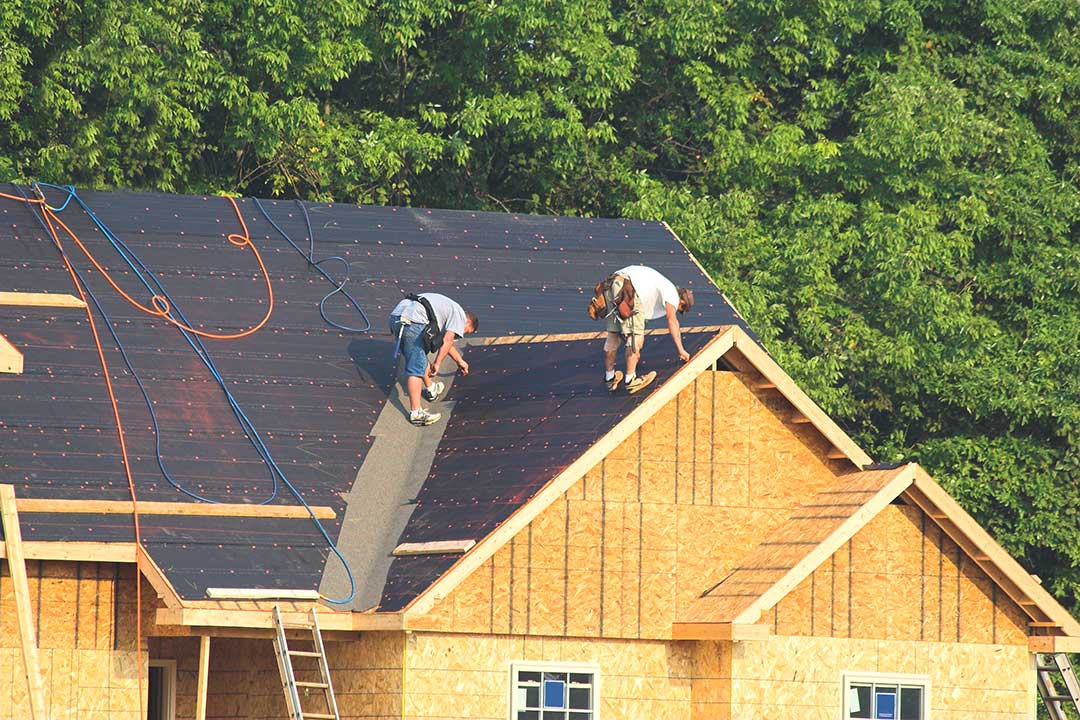
Replacing a roof can improve your insurance situation. Not only can it prevent many types of damage, it may also lower your premium. Notify your insurance company promptly after a new roof is installed; documentation, such as a completion certificate and warranty, may be requested.
For families in the city considering energy-efficient or impact-resistant shingles, some insurance companies offer small incentives or credits. These credits can add up, especially for larger homes.
What Should You Do If You Have a Roof Claim?
If your roof is damaged after a storm or accident, taking quick, thorough steps can help with the claim process:
- Document the damage with clear photos or video before cleanup
- Make only emergency repairs needed to prevent further damage (such as covering with a tarp)
- Keep all receipts and communication records
- Notify your insurer as soon as possible and follow their specific claim process
Homeowners in the community sometimes overlook minor leaks or small areas of missing shingles, but even small claims can be lost if not promptly reported and documented.
Are There Common Misconceptions About Roofs and Insurance?
Several mistaken beliefs can trip up local homeowners:
- “Insurance pays for any roof repair.” Not true; only sudden and accidental damage is covered, not routine wear.
- “Replacing your roof is only needed if it leaks.” Waiting too long can lead to denied claims or even loss of coverage.
- “My premium will always go down with a new roof.” Sometimes. Materials and current insurer guidelines play a big role; ask before starting work.
Understanding what’s in your policy and keeping up with roof maintenance are key to preventing surprises.
