
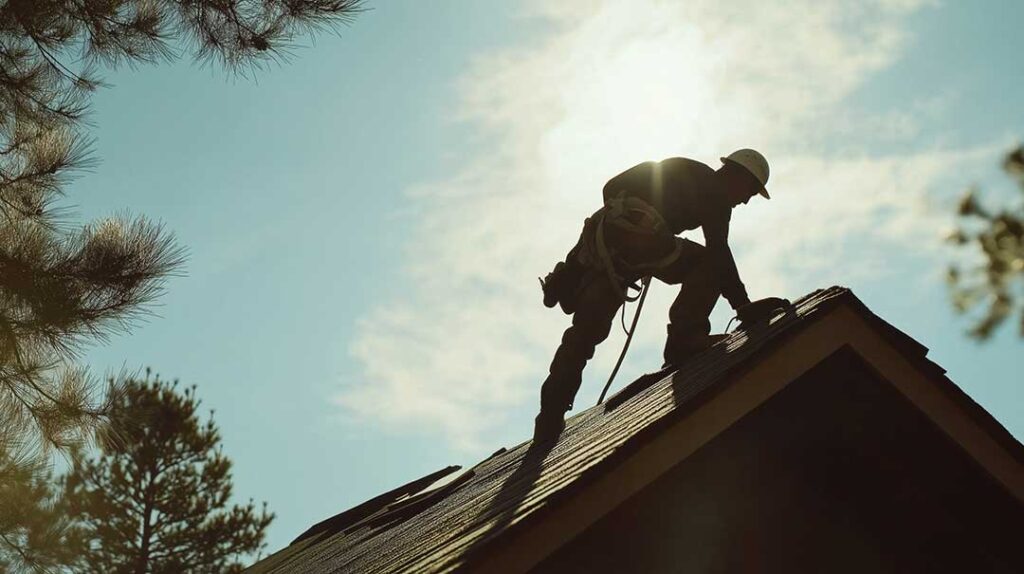
A clean roof can help homeowners spot damaged shingles, blocked drainage, moss growth, and other maintenance concerns before they become larger problems. In Clay, NY, roof cleaning also has to account for snow, freeze-thaw cycles, damp conditions, and the risk of slippery surfaces during much of the year.
Roof cleaning is not simply a matter of spraying away dirt. The safest method depends on the roofing material, the type of growth or staining present, the roof’s slope, and whether anyone can work from the ground instead of climbing onto the roof.
Is it safe to clean a roof yourself?
Roof cleaning is safest when it can be done from the ground or from a stable ladder position without stepping onto the roof. Walking on shingles can loosen protective granules, crack older materials, and create a fall hazard, especially when the surface is wet, frosty, moss-covered, or steep.
A homeowner may be able to handle light cleaning when:
- The roof is low-sloped and easy to observe from the ground
- The work involves removing loose leaves from gutters or roof edges
- No climbing onto the roof is required
- Weather conditions are dry, calm, and mild
- The roofing material is known and the cleaning method is compatible with it
Extra caution is needed with steep roofs, multi-story homes, skylights, dormers, fragile shingles, and areas beneath overhead utility lines. A roof that appears dry can still be slick from moisture, algae, or fine debris.
What should be checked before cleaning?
Begin with a visual inspection from the ground. Use binoculars if necessary rather than climbing up for a closer look. Look for dark streaks, green moss, lichen, piles of leaves, damaged flashing, lifted shingles, sagging areas, and overflowing gutters.
Before applying any cleaning solution, identify the roof covering. Asphalt shingles, metal roofing, wood shakes, slate, and synthetic materials do not all tolerate the same products or pressure.
Also inspect the surrounding area:
- Cover or move outdoor furniture, toys, and gardening equipment
- Protect delicate plants from runoff
- Close windows and doors near the work area
- Keep children and pets away from dripping water and cleaning solutions
- Check where runoff will flow before beginning
Do not clean during strong wind, rain, icy conditions, or extreme heat. In Clay, seasonal weather can change quickly, and a surface that is manageable in the morning may become slippery as temperatures fall or moisture settles.
What is the safest method for asphalt shingles?
For most asphalt-shingle roofs, low-pressure cleaning is safer than power washing. A garden hose with a gentle spray or a manufacturer-approved roof-cleaning solution is generally less damaging than a pressure washer.
High-pressure water can strip granules from shingles, force water beneath overlapping layers, and damage sealant around flashing or vents. It may also shorten the useful life of the roof while making the surface appear clean temporarily.
A basic low-pressure process includes:
1. Remove loose leaves and branches from accessible roof edges and gutters.
2. Wet nearby plants and surfaces with clean water.
3. Apply a compatible cleaning solution according to its label directions.
4. Allow the solution time to loosen algae or organic growth.
5. Rinse gently from the upper portion downward, avoiding forceful spray.
6. Check the ground for runoff and rinse plants again if needed.
Avoid scrubbing shingles aggressively. The granules on the surface provide protection from sunlight and weather, and excessive brushing can remove them.
How should moss, algae, and lichen be handled?
Dark streaks on asphalt shingles are often caused by algae, while raised green growth is more likely to be moss. Lichen may appear as pale, crusty patches attached firmly to the shingle surface.
Algae staining may respond to a suitable low-pressure cleaning solution. Moss and lichen are more difficult because they can grow into or beneath the shingle edges. Pulling them off by hand can remove granules or tear the roofing material.
A safer approach is to loosen organic growth gradually rather than forcing it off. After treatment, dead moss may dry out and fall away over time. If physical removal is necessary, it should be done with minimal pressure and without scraping across the shingles.
Zinc or copper strips near the roof ridge are sometimes used to reduce future moss and algae growth as rainwater moves across the metal. These products must be installed carefully so they do not damage roofing materials or create runoff concerns. They are also a preventive measure, not an instant cleaning solution.
Can a pressure washer be used on a roof?
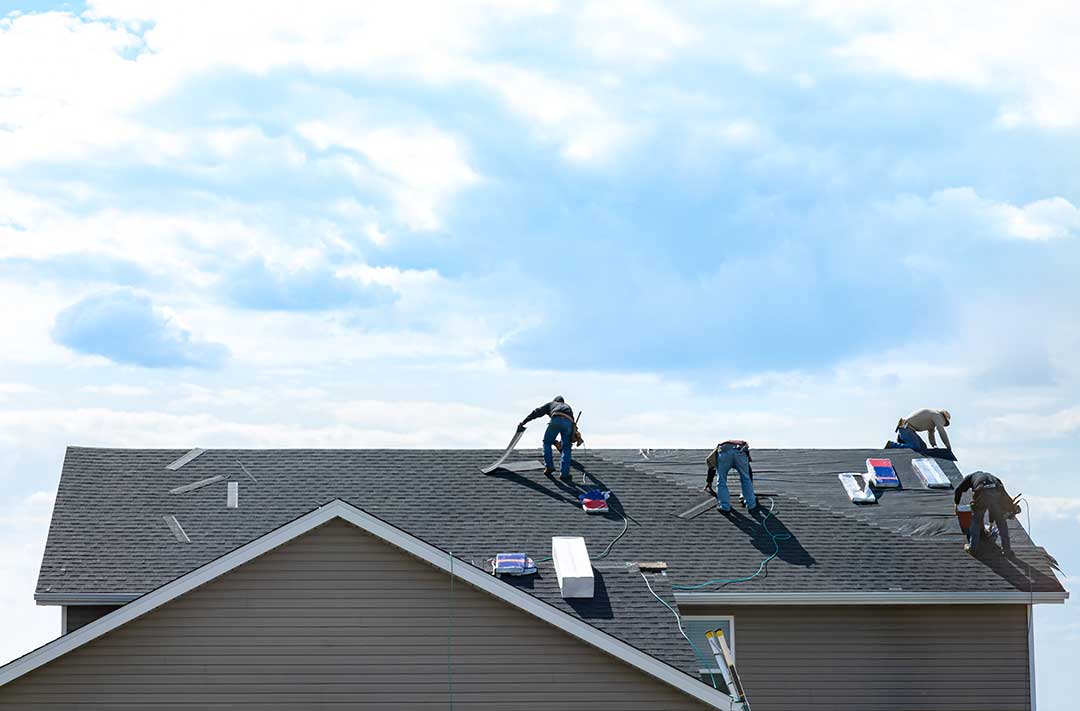
Pressure washing is generally not recommended for asphalt shingles, wood shakes, slate, or other roofing materials that can be damaged by concentrated water pressure. Even when the roof looks sturdy, pressure can disturb seals, expose underlying material, and drive water into areas that normally remain dry.
Some metal roofing systems may tolerate carefully controlled washing, but the correct pressure and cleaning method depend on the coating, panel design, fasteners, and manufacturer guidance. A pressure washer should never be used simply because it makes the work faster.
The same caution applies to stiff brushes, abrasive pads, chlorine-heavy mixtures, and improvised chemical combinations. Mixing cleaning products can create dangerous fumes or damage plants, siding, gutters, and roofing components.
How can gutters and roof edges be cleaned safely?
Leaves and small debris near the roof edge can often be removed from a ladder without stepping onto the roof. Place the ladder on firm, level ground, keep it clear of wet soil or ice, and maintain three points of contact while working.
Do not stretch sideways from a ladder. Move it instead. Avoid leaning a ladder against gutters, downspouts, plastic trim, or weak roof edges. If the ladder cannot reach safely, the work should not be attempted from that position.
After removing debris, flush the gutter with a gentle stream of water and check whether downspouts drain freely. Clogged gutters can contribute to ice buildup during winter, overflowing water near foundations, and staining along siding.
What roof-cleaning mistakes should be avoided?
Several common approaches create more damage than they prevent:
- Walking on shingles to reach every stained area
- Using a pressure washer on asphalt roofing
- Scraping moss aggressively
- Cleaning during wet, icy, or windy weather
- Ignoring damaged shingles before applying water
- Allowing strong runoff to collect on plants or painted surfaces
- Using household cleaners without checking roof compatibility
- Blocking or covering attic vents during exterior work
Another overlooked issue is roof age. Older shingles may already have brittle edges or reduced adhesion. Cleaning can expose existing wear that was not obvious from the ground, so a roof should be treated gently even if the problem appears to be only cosmetic.
When should roof cleaning be left to a qualified professional?
Professional help is justified when the roof is steep, high, fragile, heavily covered with moss, or difficult to access without climbing. It is also the safer choice when there is visible structural damage, suspected asbestos-containing material, extensive ice, or a need to use specialized equipment.
Anyone performing roof work should understand fall protection, ladder safety, runoff control, and the requirements associated with the specific roofing material. Homeowners should also check applicable property rules before using chemical treatments that could discharge into drainage systems or neighboring areas.
For many households, the most useful maintenance step is a ground-level inspection twice a year—often in spring after snow and ice have passed, and again in autumn after leaves begin falling. Early attention to blocked drainage, damaged shingles, and organic growth can reduce the need for more aggressive cleaning later.
