

What Are the Key Sources of Roof Leaks in Clay, NY?
Roof leaks in Clay, NY are most frequently caused by weather, material aging, and installation problems. Across the community’s neighborhoods, these issues become especially apparent during the wet spring season or after winter thaw.
Many local homes face leaks due to:
- Damaged, missing, or slipped shingles from strong winds or storms
- Ice dams that trap melting snow on the roof edge
- Flashing failures around chimneys, skylights, and plumbing vents
- Blocked gutters and downspouts preventing water drainage
- Old or cracked roofing materials, particularly on older homes
Each of these factors can let water seep inside the home, causing stained ceilings, mold, and sometimes even structural problems when left unaddressed.
How Does Weather Affect Roof Leaks in the Area?
The climate in Clay exposes local roofs to a unique combination of heavy snowfall, wind, and freeze-thaw cycles. Melting snow and sheets of ice can create or worsen roof leaks, particularly toward the end of winter when daytime temperatures rise above freezing but nights remain cold.
Typical local weather-related causes include:
- Ice dams forming at the eaves force water beneath shingles
- High winds can lift or tear shingles, inviting leaks in affected spots
- Wind-driven rain may work its way under flashing or vent covers
Homes with north-facing or shaded roof slopes tend to keep snow and ice longer, increasing the risk of water backup. Regular winter and spring checks for ice buildup or displaced shingles help catch developing problems early.
Where Do Roof Leaks Commonly Start?
Leaks often begin at weak points where roofing materials meet or have been penetrated, such as valleys, skylights, plumbing vent pipes, and especially chimneys. For older homes, brick or stone chimneys often develop gaps in mortar or flashing over time, letting rain seep inside.
Other frequent sources include:
- Valleys, where two roof slopes meet and water naturally channels
- Exposed nail heads or poorly sealed fasteners
- Areas around satellite dishes, antennas, or roof-mounted equipment
Many homeowners mistakenly think leaks start directly above a water stain. In fact, water often travels down rafters or insulation before finally dripping into the living space. Pinpointing the original leak path often requires thoughtful investigation in the attic and roof.
How Does Poor Maintenance Lead to Roof Leaks?
Neglected maintenance is a common root cause of roof leaks. This includes failing to clear gutters, overlooking worn-out seals, or ignoring minor shingle damage after storms.
Common oversights related to home maintenance:
- Allowing leaves and debris to fill gutters, leading to water backup under shingles
- Skipping seasonal roof inspections, especially after major weather events
- Delaying minor repairs like resealing flashing, which can let small issues grow
Most roofs in the area need at least a brief check each spring and fall. Timely removal of branches, moss, and other debris extends roof life and reduces the risk of hidden leaks.
Why Do Leaks Happen Even on Newer Roofs?
While most leaks occur on older or weathered roofs, even newer installations may leak if not installed to local building codes or suited to the climate. In some cases, the wrong type of underlayment, poorly installed flashing, or misaligned shingles allow water intrusion.
Factors behind leaks on newer roofs include:
- Inexperienced or rushed workmanship during installation
- Incompatibility between roofing materials and roof slope or design
- Inferior materials used in critical areas like valleys or around penetrations
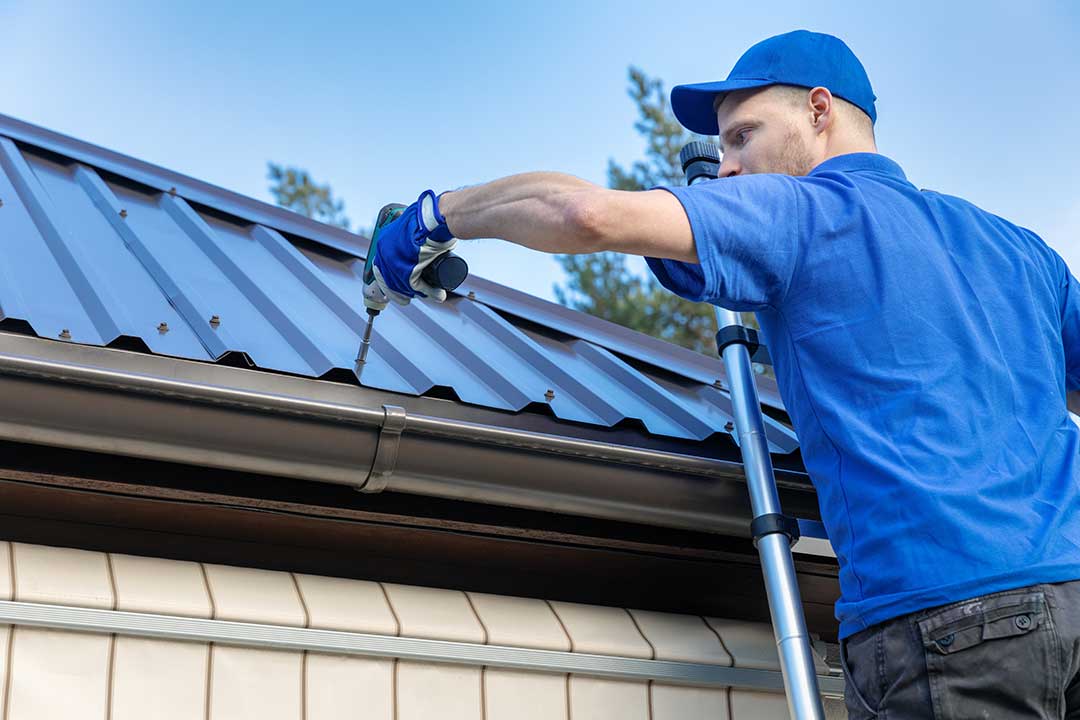
Sometimes, residents find small leaks after their first winter or windstorm, especially if construction was done during colder months. A careful inspection of new roofs after extreme weather is a sound practice.
Are Skylights and Vent Pipes Frequent Leak Sites?
Yes—on many local roofs, areas around skylights, bathroom vents, and plumbing pipes develop leaks. The associated flashing can crack from age or shift due to roof movement, leaving gaps for rainwater.
Specifically:
- Skylight gaskets can dry out and shrink
- Vent pipe boots may crack due to UV exposure or temperature swings
- Improperly sealed or loose flashing eventually lets water seep underneath
Promptly sealing minor cracks around these vulnerable areas with appropriate roofing sealant helps avert larger water damage issues.
What About Attic Problems and Roof Ventilation?
Improper attic insulation or ventilation can contribute to roof leaks, particularly through the formation of ice dams. When warm indoor air escapes into a cold attic, it melts snow on the roof’s surface. The runoff can refreeze at colder eaves, creating ice dams that force water under shingles.
Common causes from attic conditions:
- Gaps in insulation that let warm air reach the underside of the roof
- Blocked or insufficient attic vents, trapping warm air
Area households often benefit from inspecting insulation levels and ensuring attic vents are free from debris or nesting animals.
What Should Local Residents Watch Out For During Inspection?
When checking a roof for potential leakage issues, pay special attention to:
- Discoloration or bubbling of paint on ceilings or walls indoors
- Loose, missing, or curled shingles on the roof
- Granules from shingles collecting in gutters
- Moss or algae growth, which can signal moisture retention
Carrying out visual roof checks during the spring thaw and after significant weather events can spot developing issues before they lead to indoor water damage.
