
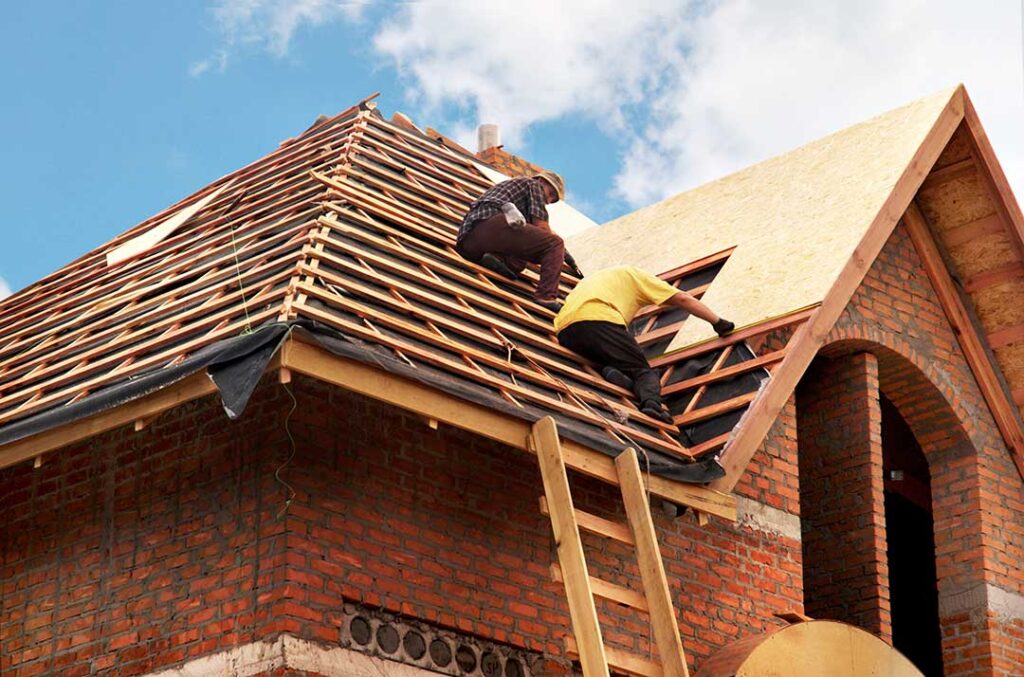
Which roofing material is right for a home in Clay, NY?
The best roofing material depends on more than appearance. Homeowners should weigh expected service life, winter weather performance, maintenance, installation requirements, ventilation, roof slope, and total cost over time.
Clay experiences cold winters, snow, freezing and thawing, strong winds, summer heat, and occasional ice buildup. Those conditions can expose weaknesses in roofing materials that may not be obvious when comparing samples in a showroom. A suitable roof should manage moisture, shed snow safely, and remain compatible with the home’s structure and ventilation system.
Asphalt shingles: affordable and widely adaptable
Asphalt shingles remain common because they balance cost, appearance, installation flexibility, and reasonable durability. They are available in basic three-tab styles and thicker architectural styles that offer more visual depth and generally better wind and weather performance.
Advantages include:
- Lower initial cost than most premium roofing materials
- Many colors and patterns
- Compatibility with many roof shapes and slopes
- Straightforward repairs when damage is limited
- Familiar installation methods and widely available replacement materials
Limitations include:
- Shorter service life than metal, slate, or some tile systems
- Granule loss, cracking, and curling can develop with age
- Repeated freeze-thaw cycles may worsen small weaknesses
- Dark shingles can absorb more summer heat
- Poor attic ventilation can shorten their useful life
Architectural shingles are often a practical middle ground for area households. They cost more than basic shingles but may provide a more substantial appearance and improved resistance to wind. The quality of the installation, underlayment, flashing, and ventilation matters as much as the shingle style itself.
Metal roofing: long service life with winter tradeoffs
Metal roofing can last for several decades when properly installed and maintained. It is available in large panels or smaller interlocking sections and can resemble standing-seam roofing, shingles, or other traditional profiles.
Advantages include:
- Long expected service life
- Good resistance to rot, insects, and moisture absorption
- Effective snow shedding on steeper roofs
- Resistance to fire and many forms of impact
- Lower likelihood of developing algae or moss growth
Potential drawbacks include:
- Higher initial cost than asphalt shingles
- Noise from rain or hail if the roof assembly lacks adequate insulation
- Snow sliding suddenly from steep surfaces
- Dents from severe hail or falling branches
- More complicated repairs when panels or concealed fasteners are damaged
Snow guards may be useful above entrances, walkways, decks, or other areas where sliding snow could create a hazard. Metal roofing should also be installed with careful attention to expansion, flashing, fasteners, and compatibility with existing roofing layers.
Wood shingles and shakes: natural appearance, higher maintenance
Wood roofing offers a traditional appearance that fits some older homes and architectural styles. Shingles are generally sawn and more uniform, while shakes have a rougher, split appearance.
Wood roofing can provide:
- Natural color and texture
- Good visual character
- Some insulating value
- A distinctive appearance that may complement older construction
However, wood requires more maintenance than many homeowners expect. Moisture, shade, leaves, and poor airflow can encourage decay or moss. Boards may split, warp, or lose protective treatments. Fire resistance also varies by material and treatment.
In a climate with snow and frequent moisture changes, wood roofing needs adequate slope, ventilation, spacing, and regular inspection. It may be a poor fit for a roof that is heavily shaded or difficult to access for maintenance.
Slate roofing: durable but structurally demanding
Natural slate can last for many decades and sometimes far longer than other roofing materials. It resists fire, rot, insects, and many forms of weathering.
Its disadvantages are significant:
- High material and installation cost
- Substantial weight
- Specialized repair requirements
- Individual tiles can crack if walked on improperly
- The roof structure may need evaluation before installation
Slate is not simply a heavier version of asphalt roofing. The supporting structure, fasteners, flashings, and drainage details all need to be suitable for the system. A replacement roof that looks like slate may use synthetic materials with lower weight and different durability characteristics.
Synthetic roofing: lighter alternatives to premium materials
Synthetic shingles and tiles are manufactured to imitate slate, wood, or other roofing styles. Their performance varies by product, but many are designed to reduce the weight and maintenance associated with natural materials.
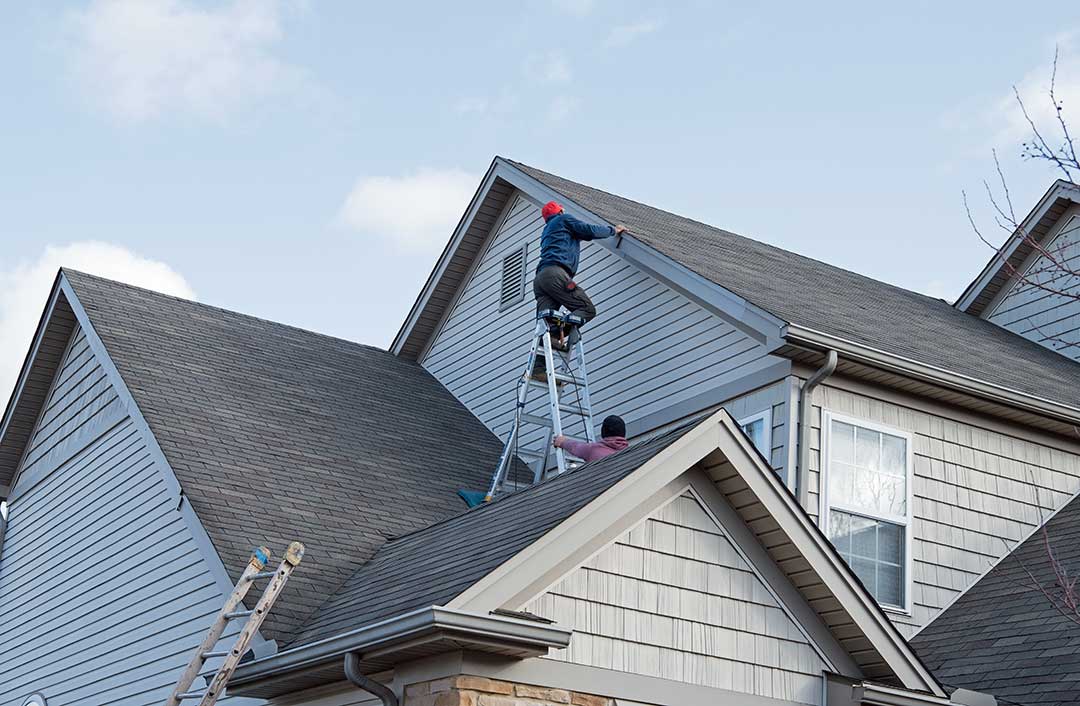
Possible benefits include:
- Lower weight than natural slate or tile
- More consistent dimensions
- Resistance to rot and insect damage
- A broad range of colors and profiles
- Potentially simpler handling during installation
The main concern is that synthetic roofing is not one uniform category. Plastic, rubber, composite, and polymer products have different resistance to impact, ultraviolet exposure, temperature changes, and fire. Product documentation should be reviewed carefully rather than relying only on appearance.
Clay or concrete tile: attractive, durable, and heavy
Tile roofing can last a long time and offers strong resistance to fire, rot, and insects. Concrete tile is generally heavier than many alternatives, while clay tile can be durable but may be vulnerable to cracking from impact or improper handling.
For homes in the area, the major concerns are weight, roof slope, snow management, and structural compatibility. Tile systems also rely on carefully designed underlayment and flashing because individual tiles are not the only defense against water intrusion.
Tile is usually better suited to homes designed for it from the beginning. Replacing a lighter roof with tile may require structural review and modifications.
Which materials handle snow and ice best?
No roofing material eliminates ice dams. Ice dams usually result from heat escaping into a cold attic, uneven roof temperatures, insufficient insulation, air leaks, or restricted ventilation.
Material-specific considerations still matter:
- Smooth metal can shed snow quickly, sometimes requiring snow guards.
- Asphalt shingles provide controlled coverage but can be damaged by repeated ice buildup or ice-removal tools.
- Wood and slate require careful inspection around valleys, chimneys, and flashing.
- Tile can crack if snow-clearing equipment or foot traffic is handled improperly.
Improving attic insulation, sealing air leaks, maintaining ventilation, and keeping gutters and roof drainage paths clear can be more important than changing materials.
What should homeowners compare besides price?
The lowest installation price does not always represent the lowest long-term cost. A useful comparison includes:
- Expected service life in the local climate
- Repairability and availability of matching materials
- Weight and structural requirements
- Resistance to wind, impact, moisture, and fire
- Maintenance needs and inspection access
- Compatibility with the existing roof slope
- Quality of underlayment, flashing, ventilation, and drainage details
- Whether old roofing can remain in place or must be removed
A roof with a long advertised lifespan may not reach that lifespan if ventilation is poor, flashing is neglected, or moisture is trapped beneath the covering. Conversely, a moderately priced material can perform well when the entire roof assembly is designed and maintained properly.
Common misconceptions about roofing materials
“Metal roofs always make homes noisy.”
Noise depends heavily on the roof deck, insulation, underlayment, and interior finishes. A properly assembled metal roof does not necessarily sound unusually loud.
“A heavier roof is automatically stronger.”
Weight does not equal durability. Excessive weight can create structural concerns if the home was not designed for it.
“Replacing shingles fixes every leak.”
Leaks may originate from flashing, valleys, chimneys, skylights, vent penetrations, or wall transitions. New surface material cannot correct every underlying defect.
“Ice dams are caused only by gutters.”
Blocked gutters can worsen drainage, but ice dams commonly begin with heat loss and uneven roof temperatures.
For many households, asphalt shingles offer the simplest balance of cost and practicality. Metal may make sense where long service life and snow shedding are priorities. Slate, tile, wood, and synthetic materials can be appropriate when their structural, maintenance, and installation requirements are understood in advance. The most dependable choice is the material that fits the home’s design, roof slope, drainage system, and ability to withstand local seasonal conditions.
