
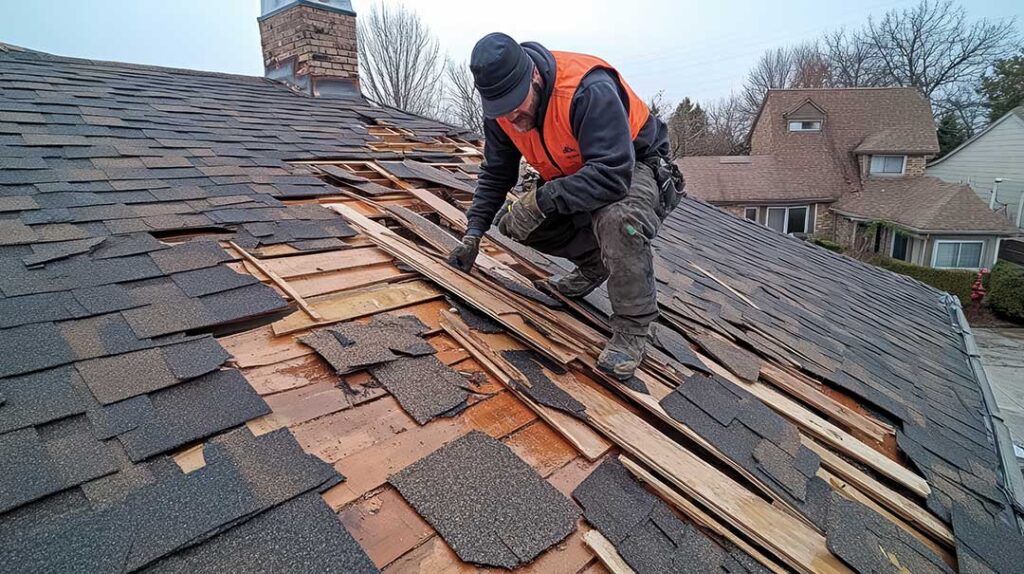
What helps a roof last longer?
A roof usually reaches the end of its useful life because small problems become repeated moisture damage, not because one storm suddenly destroys it. Regular observation, clear gutters, controlled attic moisture, and timely repairs can help preserve roofing materials for many years.
Clay, NY homes experience cold winters, snow, freezing rain, summer heat, wind, and repeated freeze-thaw cycles. Those conditions place stress on shingles, flashing, gutters, roof edges, and the wood beneath the roof covering. A practical maintenance routine should account for all of them.
How often should a roof be checked?
A roof should receive a basic visual check at least twice a year, commonly in spring and fall. It should also be checked from the ground after severe wind, heavy snow, hail, or a storm that leaves branches on the roof.
A ground-level inspection can reveal:
- Missing, lifted, curled, cracked, or unusually dark shingles
- Shingle granules collecting in gutters or near downspouts
- Sagging roof sections or uneven roof lines
- Damaged flashing around chimneys, vents, skylights, and roof-to-wall joints
- Loose metal edging at the roof perimeter
- Moss or heavy organic growth holding moisture against the roofing surface
- Water stains on soffits, fascia boards, or exterior walls
Not every roof problem is visible from the yard. Attic inspections are also useful, especially after major weather. Look for damp insulation, daylight through the roof deck, rusty fasteners, mold-like discoloration, or darkened wood. A roof can appear sound outside while a small flashing failure is allowing water into the attic.
Walking on a roof is risky and can damage shingles, particularly when the surface is wet, cold, steep, or brittle. Roof areas that cannot be safely viewed from the ground should be evaluated under appropriate safety conditions.
Why are gutters so important to roof life?
Gutters protect the roof edge, exterior walls, trim, and foundation by directing water away from the house. When they are clogged, overflowing water can soak fascia boards, back up under roof edges, and contribute to basement or crawlspace moisture.
Clean gutters at least during spring and late fall, and inspect them after nearby trees shed branches or leaves. Downspouts should discharge water far enough away from the foundation to prevent it from flowing back toward the house.
Watch for these gutter-related problems:
- Gutters pulling away from the fascia
- Standing water caused by poor slope
- Rusted seams or open end caps
- Downspouts blocked by leaves or ice
- Water spilling over one section during rain
- Shingle granules accumulating in large amounts
Heavy ice at the eaves can also damage gutters and roof edges. Do not chip at ice with tools, since that can tear shingles and metal components.
How can ice dams be reduced?
Ice dams form when heat escapes into the attic, warms part of the roof, melts snow, and sends water toward a colder roof edge where it refreezes. The resulting ice can block drainage and allow water to move beneath shingles.
The most effective long-term approach is to keep the roof deck at a more consistent temperature. That generally involves:
- Air-sealing gaps between the living area and attic
- Installing adequate attic insulation
- Keeping soffit-to-ridge airflow open where the roof is designed for ventilation
- Maintaining clear ventilation channels above insulation
- Ensuring bathroom fans, kitchen exhaust, and clothes dryers vent outdoors rather than into the attic
Large icicles are not automatically proof of a roof defect, but recurring ice dams, wet attic insulation, or ceiling stains deserve attention. Removing snow from a roof can be hazardous and may damage shingles if done incorrectly. Powered roof fans are not a universal solution; ventilation works best when the entire attic air-sealing and insulation system is properly balanced.
What should homeowners do about moss and algae?
Moss can hold moisture against shingles and may lift or loosen their edges. Algae usually appears as dark streaks and is mainly a cosmetic concern, although heavy growth can make roof surfaces slippery and encourage moisture retention.
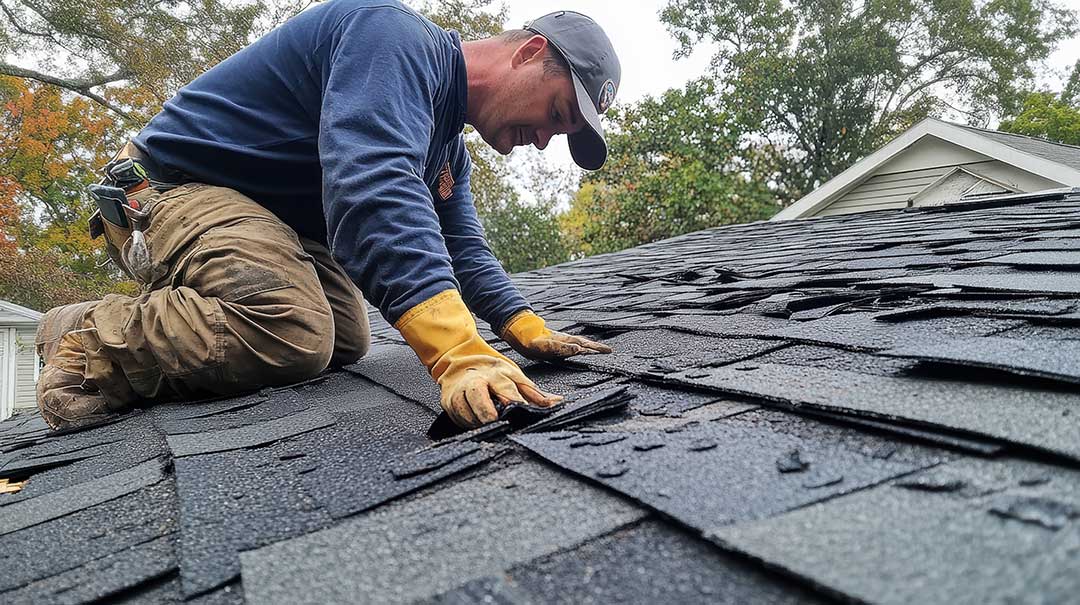
Branches, leaves, and pine needles should be removed when they collect in roof valleys or remain on the roof for long periods. Organic debris is especially troublesome in shaded areas where it dries slowly.
Avoid pressure-washing shingles. High-pressure water can remove protective granules and force water beneath the roofing material. Scraping growth aggressively can cause similar damage. Any cleaning method should follow the roofing material’s care requirements and should not put people on an unsafe surface.
Tree maintenance also affects roof longevity. Branches that rub against shingles can wear away the surface, while overhanging limbs can drop debris or fall during storms. Keeping trees reasonably clear of the roof reduces these risks without requiring constant roof cleaning.
Which repairs should not be delayed?
Some roof problems are minor when first discovered but become structural problems if water is allowed to continue entering the assembly. Prompt attention is warranted for:
- Active leaks or new ceiling stains
- Wet insulation or visibly damp roof decking
- Missing shingles after wind
- Exposed underlayment
- Damaged flashing around penetrations
- Sagging roof sections
- Rotting fascia, soffits, or roof-edge boards
- Repeated ice-dam leaks
- Water entering around skylights, vents, or chimneys
A bucket under a drip may protect flooring temporarily, but it does not stop hidden damage. Water can travel along rafters and insulation before appearing inside the home, so the visible stain may be several feet away from the actual entry point.
Roof repairs involving steep slopes, unstable surfaces, electrical hazards, structural damage, or winter ice should not be treated as routine do-it-yourself work. Safety and building-code requirements take priority over convenience.
Does attic ventilation alone extend roof life?
Ventilation helps remove heat and moisture, but it cannot compensate for missing insulation, air leaks, blocked soffit vents, or exhaust fans that discharge into the attic. A well-functioning attic system needs both controlled airflow and a reasonably sealed boundary between the living space and the roof assembly.
Excess attic moisture may appear as condensation on nails, damp insulation, musty odors, peeling paint near ceilings, or mold-like growth on roof framing. These symptoms can occur even when the roof covering is not leaking.
During cold weather, an attic that is much warmer than the outdoor roof surface may indicate heat loss from the house. During summer, excessive attic heat can increase material stress and raise indoor cooling demands. The goal is not simply to make the attic as cold or as hot as possible, but to manage airflow, insulation, and moisture together.
How can roof life be extended during storms and seasonal changes?
Before winter, clear gutters, inspect flashing, confirm that attic vents are unobstructed, and look for loose or damaged shingles. After winter, check for displaced materials, damaged drip edges, overflowing gutters, and stains that appeared during snow or ice events.
During summer, inspect sealants and flashing for cracking or separation. Remove leaves and branches before they become trapped in valleys. After strong winds, look for shingle pieces in the yard and compare the roof edge with earlier photos.
Keeping a simple record of roof observations, repairs, leaks, and storm damage makes changes easier to recognize. Photographs taken from the same ground-level locations each season can reveal gradual curling, sagging, staining, or gutter movement before the problem becomes severe.
