
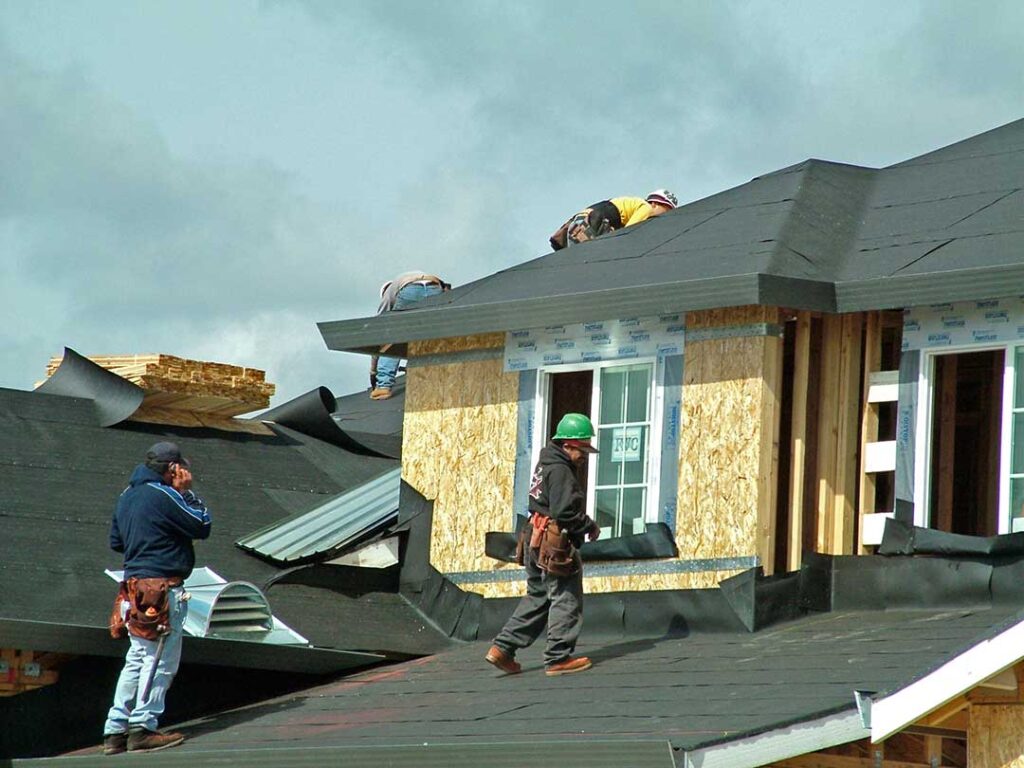
Why does regular roof maintenance matter?
Regular roof maintenance helps identify small problems before they become leaks, structural damage, or expensive interior repairs. A roof does more than keep rain out. It also protects insulation, attic framing, ceilings, walls, electrical systems, and household belongings.
For homeowners in Clay, NY, routine care is especially useful because roofs must handle changing conditions throughout the year. Snow, ice, wind, rain, freeze-thaw cycles, fallen leaves, and summer heat can all affect roofing materials. Many problems develop gradually and remain hidden until water reaches the attic or living space.
Maintenance does not mean replacing a roof before it is necessary. It means observing its condition, keeping drainage paths clear, and addressing manageable issues while they are still limited.
What are the main benefits of maintaining a roof?
The most immediate benefit is early detection. A lifted shingle, cracked flashing joint, blocked gutter, or small area of moss may not seem urgent, but each can allow moisture to enter or remain trapped.
Regular maintenance can help:
- Reduce the likelihood of interior water damage
- Extend the useful life of roofing materials
- Protect attic insulation and roof framing
- Prevent minor flashing problems from becoming larger leaks
- Improve drainage around the roof and foundation
- Identify storm damage before it is concealed by later weather
- Support better planning for eventual roof replacement
A roof that is inspected periodically is easier to budget for because its condition is less likely to come as a surprise. Maintenance cannot prevent every failure, but it can reduce avoidable damage and provide a clearer understanding of how the roof is performing.
How does seasonal weather affect roofs in Clay?
Seasonal changes place repeated stress on roofing systems. During winter, snow and ice add weight and can expose weak areas around valleys, roof edges, vents, and flashing. Ice dams may form when heat escapes unevenly through the attic and melts snow on the upper roof. The water can refreeze near colder eaves and sometimes move beneath roofing materials.
Spring often reveals problems that were difficult to see during winter. Loose shingles, damaged pipe flashing, clogged gutters, and displaced roof-edge materials may become noticeable after snow and ice have passed. Heavy spring rain can then test every vulnerable area.
Summer heat and sunlight can dry or age roofing materials. Strong thunderstorms may also bring wind, branches, and sudden rainfall. In autumn, leaves and small debris can collect in gutters, valleys, and roof-level drainage areas. Keeping these seasonal patterns in mind makes maintenance more effective than waiting for a visible ceiling stain.
What should homeowners look for during a basic roof check?
A ground-level visual check can reveal several warning signs without requiring anyone to climb onto the roof. Look for changes that were not present earlier in the season or after a storm.
Common signs include:
- Shingles that are missing, curled, cracked, or noticeably lifted
- Dark patches that may indicate moisture or uneven aging
- Exposed fasteners or loose materials near roof edges
- Damaged or separated flashing around vents, chimneys, skylights, and wall intersections
- Sagging rooflines or areas that appear uneven
- Granules collecting in gutters or near downspouts
- Gutter sections pulling away from the roofline
- Moss, algae, or organic debris holding moisture against the surface
Inside the home, check the attic and upper ceilings for damp insulation, water marks, musty odors, daylight visible through roof boards, or staining that appears after rainfall. A leak may not occur directly above the visible stain because water can travel along rafters and sheathing before entering the room below.
Why are gutters and drainage part of roof maintenance?
A roof can be in reasonable condition and still experience problems if water cannot drain properly. Gutters and downspouts direct runoff away from the roof edge, exterior walls, and foundation. When they are blocked by leaves, twigs, ice, or compacted debris, water may overflow and soak fascia boards or siding.
Poor drainage can also contribute to:
- Rot at roof edges
- Basement or crawl-space moisture
- Erosion near the foundation
- Staining on exterior walls
- Ice formation along eaves during cold weather
- Water backing up beneath roofing materials
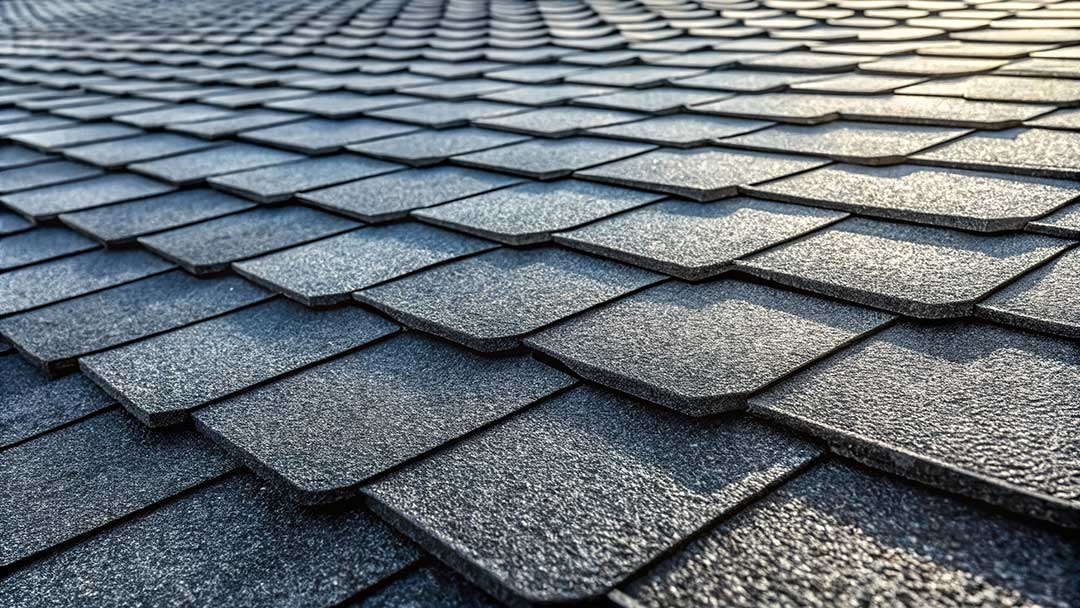
Gutters should be checked during and after the seasons when debris is most likely to accumulate. Downspouts should discharge water far enough away from the foundation to prevent concentrated runoff next to the house. Extensions, splash blocks, and proper grading can all affect how efficiently water moves away.
Can roof maintenance lower long-term costs?
Maintenance may reduce long-term costs by preventing secondary damage. A small flashing repair generally affects fewer materials than a prolonged leak that damages roof decking, insulation, drywall, trim, and flooring. Water that remains unnoticed can also encourage mold growth and wood deterioration.
Maintenance may also reduce unnecessary emergency work. A roof inspected after a major wind or ice event may reveal an issue that can be addressed under controlled conditions rather than during the next heavy rain. Keeping basic records, including inspection dates, observed changes, and completed repairs, can help identify patterns over time.
The financial benefit is not a guarantee. Some roofs fail because of age, severe weather, installation defects, or hidden structural problems. Regular attention simply improves the chances of finding issues while they are smaller and easier to understand.
How often should a roof be checked?
A practical schedule includes a visual review at least twice a year, commonly in spring and fall, along with additional checks after severe weather. The roof should also be observed whenever unusual signs appear indoors or around the exterior.
More frequent attention may be useful when a home has:
- Large trees near the roof
- Repeated exposure to strong wind
- Heavy leaf accumulation
- A history of ice dams or attic condensation
- An older roofing system
- Complex roof sections, valleys, or multiple additions
- Nearby construction that creates dust or debris
A ground inspection is appropriate for most routine observations. Climbing onto a roof can be hazardous, particularly when surfaces are wet, icy, steep, or covered with loose granules. Safety concerns, suspected structural weakness, active leaks, and storm-damaged materials may require evaluation by a qualified roofing professional.
What maintenance tasks should not be overlooked?
Some of the most important tasks are not obvious from the yard. Check attic ventilation, insulation levels, and signs of condensation, especially after cold weather. Warm, moist air entering an attic can condense on roof sheathing and resemble a roof leak.
Also inspect areas where different materials meet. Roof-to-wall intersections, valleys, vents, chimneys, skylights, and porch connections are common locations for water entry because they rely on flashing and sealant details rather than shingles alone.
Avoid pressure-washing roofing materials or applying unapproved coatings. Aggressive cleaning can remove protective granules or damage surfaces. Moss and algae should be handled carefully, with methods suitable for the specific roofing material.
Regular maintenance is most useful when it is consistent, cautious, and based on observation. For households in Clay, keeping an eye on drainage, attic conditions, roof edges, and seasonal damage can help preserve the roof’s protective function and reveal problems before they spread.
