
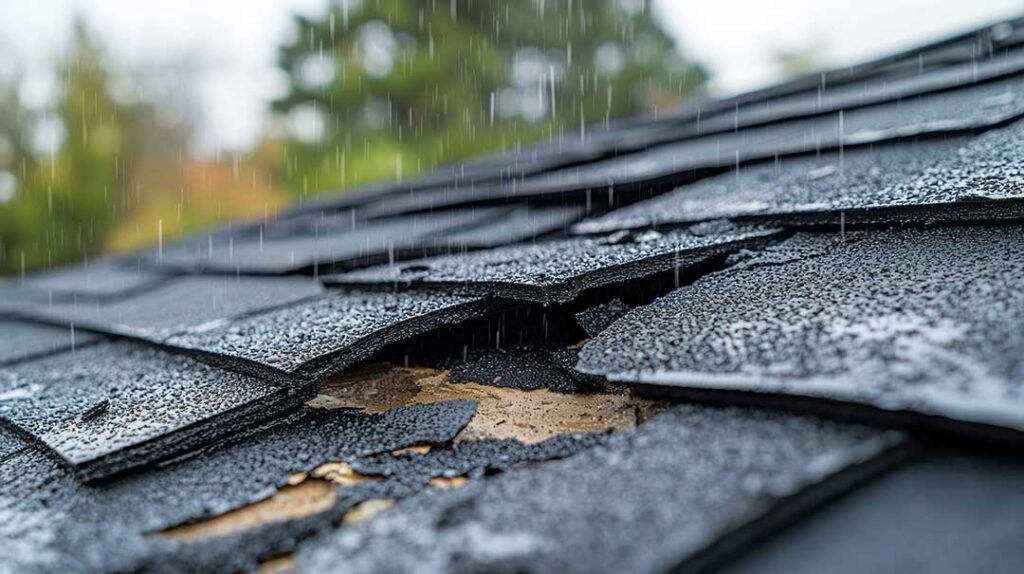
A roof inspection is a careful review of the roof’s surface, drainage system, ventilation, flashing, and interior warning signs. For homeowners in Clay, NY, regular inspections are especially useful because roofs must handle snow, ice, wind, heavy rain, freeze-thaw cycles, and summer heat.
An inspection does not automatically mean repairs are needed. Its purpose is to identify developing problems early, document the roof’s condition, and help a homeowner make informed maintenance decisions.
What does a roof inspection include?
A complete inspection examines more than shingles. The roof covering, edges, penetrations, drainage components, attic space, and related interior areas all provide information about roof performance.
A careful review may include:
- Shingles, tiles, metal panels, or other roof coverings
- Ridge caps, hips, valleys, and roof edges
- Flashing around chimneys, vents, skylights, and wall intersections
- Gutters, downspouts, and areas where water leaves the roof
- Pipe boots and other roof penetrations
- Attic insulation, ventilation, wood framing, and signs of moisture
- Ceilings and upper walls for stains, peeling paint, or bubbling surfaces
- Areas where branches, moss, debris, or snow may hold moisture
The inspection should also consider the roof’s age, past repairs, visible weather exposure, and whether water is moving away from the home as intended.
How often should a homeowner inspect the roof?
Most homeowners should perform a basic visual check twice a year, commonly in spring and fall. A more detailed inspection is also sensible after severe wind, hail, ice buildup, unusually heavy snow, or a fallen branch.
Spring inspections are useful because winter conditions may reveal:
- Missing, cracked, or lifted shingles
- Damaged flashing
- Gutter movement or separation
- Ice-dam-related moisture entry
- Leaks that developed during snow and freeze-thaw cycles
- Granules or roofing material collected near downspouts
Fall inspections help identify conditions that could worsen during winter. Loose materials, blocked drainage, and deteriorated sealants can become more difficult to address once snow and ice arrive.
A roof that appears fine from the ground can still have hidden problems. Periodic professional inspection may be appropriate for an older roof, after storm damage, before buying or selling a home, or when interior evidence suggests moisture intrusion.
What can homeowners safely inspect themselves?
A ground-level review is usually the safest starting point. Binoculars can help reveal damaged shingles, exposed underlayment, sagging areas, or displaced flashing without requiring anyone to climb onto the roof.
From the ground, look for:
- Shingles that are missing, curled, cracked, or visibly raised
- Uneven roof lines or sagging sections
- Dark streaks, moss, or heavy organic buildup
- Exposed fasteners or metal that appears loose
- Gutters pulling away from the fascia
- Granules collecting below downspouts
- Branches resting on the roof
- Daylight visible around attic penetrations from inside the home
Homeowners can also inspect the attic with a flashlight, provided the space can be entered safely. Look for damp insulation, water marks, musty odors, rusted fasteners, or darkened wood. Moisture may appear far from the actual entry point because water can travel along rafters, decking, or insulation.
Roof walking is different. Wet surfaces, steep slopes, frost, moss, and hidden weak spots create fall hazards. A ladder should never be used in icy or windy conditions, and gutters should not be treated as a handhold.
What roof problems are most common in this area?
Seasonal weather is a major factor in roof wear. Snow and ice can add weight, while freeze-thaw cycles can expand small cracks and loosen materials. Wind may lift shingle edges or move flashing. Heavy rainfall can expose drainage problems that are not obvious during dry weather.
Common findings include:
Damaged or missing shingles
A few damaged shingles may seem minor, but exposed underlayment and roof decking can absorb moisture. Repeated lifting may also indicate installation, aging, or wind-related problems that extend beyond one visible shingle.
Failing flashing
Flashing directs water around chimneys, walls, vents, and other interruptions in the roof. Cracked sealant, corrosion, separation, or poor overlaps can allow water into the roof assembly.
Clogged or poorly draining gutters
Gutters filled with leaves and roof granules can overflow against fascia, siding, or foundation areas. In winter, trapped water may freeze and contribute to ice buildup along the roof edge.
Inadequate attic ventilation
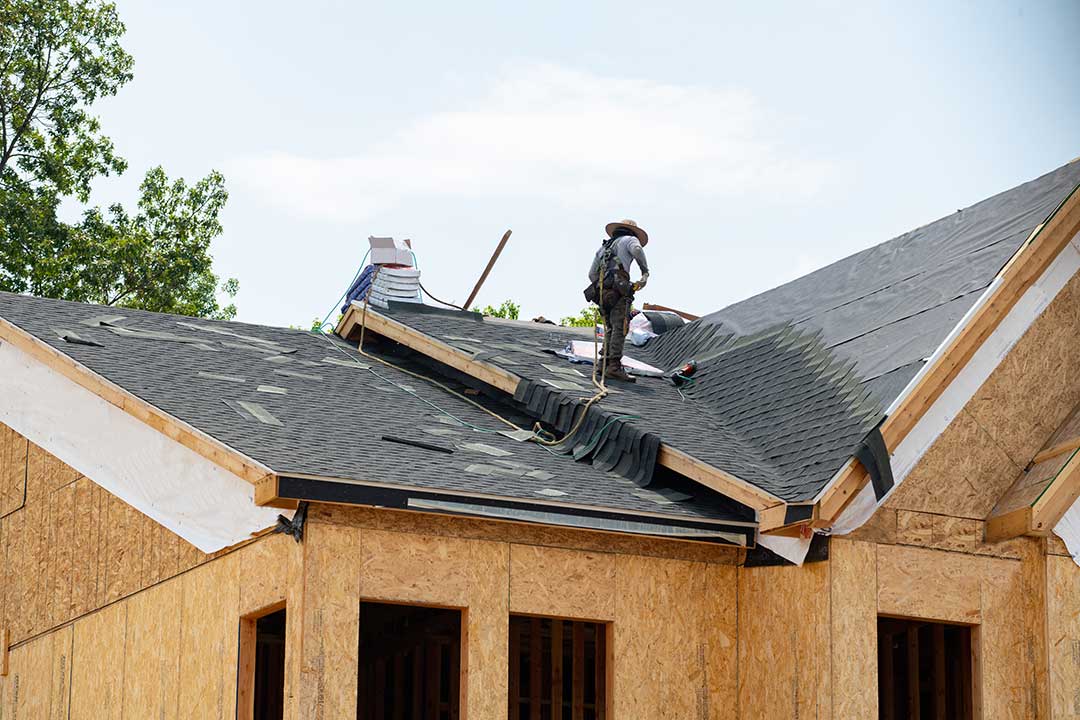
Ventilation helps manage heat and moisture in the attic. Problems may contribute to condensation, damp insulation, mold-like growth, premature roofing deterioration, or ice formation along roof edges. Ventilation should be evaluated as a system rather than by adding vents without understanding the existing airflow.
Moss and organic growth
Moss can retain moisture and may lift roofing materials as it spreads. Dark streaks are not always moss; some are surface discoloration. The condition should be identified before using a cleaning method, since aggressive pressure washing can damage roofing.
How can a homeowner tell whether a roof leak is active?
Interior evidence can help determine whether moisture is entering now, but a dry ceiling does not prove the roof is sound. Some leaks occur only during wind-driven rain, snow melt, or specific weather conditions.
Warning signs include:
- New ceiling or wall stains
- Brown rings or discolored drywall
- Peeling paint or bubbling wallpaper
- Damp insulation
- Dripping or water marks around vents and skylights
- Musty odors in upper rooms or the attic
- Rust on nails, metal connectors, or electrical components
- Wet areas that appear after storms but later dry
If water is near electrical equipment, light fixtures, or wiring, avoid touching the area and address the electrical hazard promptly. A container may catch dripping water, but it does not solve the source of the leak.
Do roof inspections identify the roof’s remaining lifespan?
An inspection can provide an informed condition assessment, but it cannot predict an exact replacement date. Roof life depends on material quality, installation, ventilation, attic moisture, maintenance, storm exposure, and the number of previous repairs.
A roof nearing the end of its expected service life may still be dry and functional. Conversely, a relatively young roof can develop serious problems if it has storm damage, poor drainage, installation defects, or persistent moisture.
Useful inspection records should include:
- Approximate roof age and material type
- Areas of visible damage
- Interior moisture evidence
- Photographs and inspection date
- Repairs already completed
- Recommended monitoring or maintenance
- Conditions that require prompt attention
Keeping these records helps distinguish a new problem from an old stain and can be valuable during property transactions or insurance discussions.
When does a roof problem require prompt attention?
Some findings should not be postponed. Prompt evaluation is warranted when there is active leaking, a sagging roof surface, extensive missing material, exposed decking, major flashing separation, or damage caused by a fallen tree or severe storm.
Winter conditions require extra caution. Removing snow from a roof can damage roofing materials or create a fall hazard if done improperly. Ice should not be chipped away aggressively. Preventing future ice buildup generally involves addressing insulation, air sealing, ventilation, drainage, and roof-edge conditions rather than treating only the visible ice.
A roof inspection is most useful when it produces clear observations, practical priorities, and a record of changing conditions. For households in Clay, routine checks before and after the snow season can help catch small defects before moisture, ice, and repeated freeze-thaw cycles turn them into larger building problems.
